Style Guide
Understand different tattoo styles to find the perfect match for your vision.
Line-Based


Fine Line
Delicate single-needle work characterized by thin, precise lines. Often used for minimalist designs, botanical illustrations, and small detailed pieces. Requires exceptional precision and a steady hand.
Minimalist
Simple, clean designs that use minimal elements to convey meaning. Often features single continuous lines, small symbols, or understated geometric shapes. Less is more — every line is intentional.


Illustrative
Drawing and illustration-inspired tattoos that blend elements of realism with artistic interpretation. Often looks like a sketch or book illustration brought to life on skin. Versatile and expressive.
Lettering
Typography-focused tattoos ranging from elegant scripts to bold block letters. Includes calligraphy, graffiti-style writing, and custom typeface designs. Each letter is carefully crafted for flow and readability.
Shading & Realism


Blackwork
Bold designs using solid black ink, ranging from large filled areas to intricate patterns. Encompasses everything from tribal-inspired pieces to modern graphic designs. Known for strong visual impact and longevity.
Realism
Photorealistic tattoos that replicate images with lifelike accuracy. Portraits, animals, landscapes, and objects rendered with precise shading and detail. Demands exceptional technical skill from the artist.


Colour
Vibrant, color-rich tattoos that use a wide spectrum of inks. Encompasses many substyles but united by expressive use of color as a primary design element. Requires understanding of how colors age on skin.
Portrait
Specialized realism focused on capturing human or animal faces with lifelike accuracy. Demands mastery of light, shadow, and proportion. Often memorial or tribute pieces with deep personal meaning.
Cultural & Traditional
Traditional
Classic American tattoo style with bold outlines, limited color palettes, and iconic imagery like anchors, roses, and eagles. Rooted in sailor and military tattoo culture dating back to the early 1900s.


Neo Traditional
Evolution of traditional tattooing with expanded color palettes, more detailed shading, and a wider range of subject matter. Keeps the bold outlines of traditional work while adding modern artistic techniques.
Japanese
Rooted in centuries of Japanese art tradition featuring motifs like koi fish, dragons, cherry blossoms, and waves. Characterized by flowing compositions that work with the body, bold outlines, and rich background fills.
Tribal
Bold black patterns rooted in indigenous tattooing traditions from Polynesian, Maori, and other cultures. Features sweeping curves, sharp points, and patterns that follow the body's contours.
Experimental


Ornamental
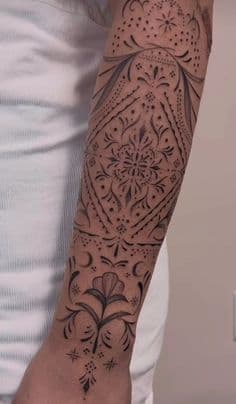
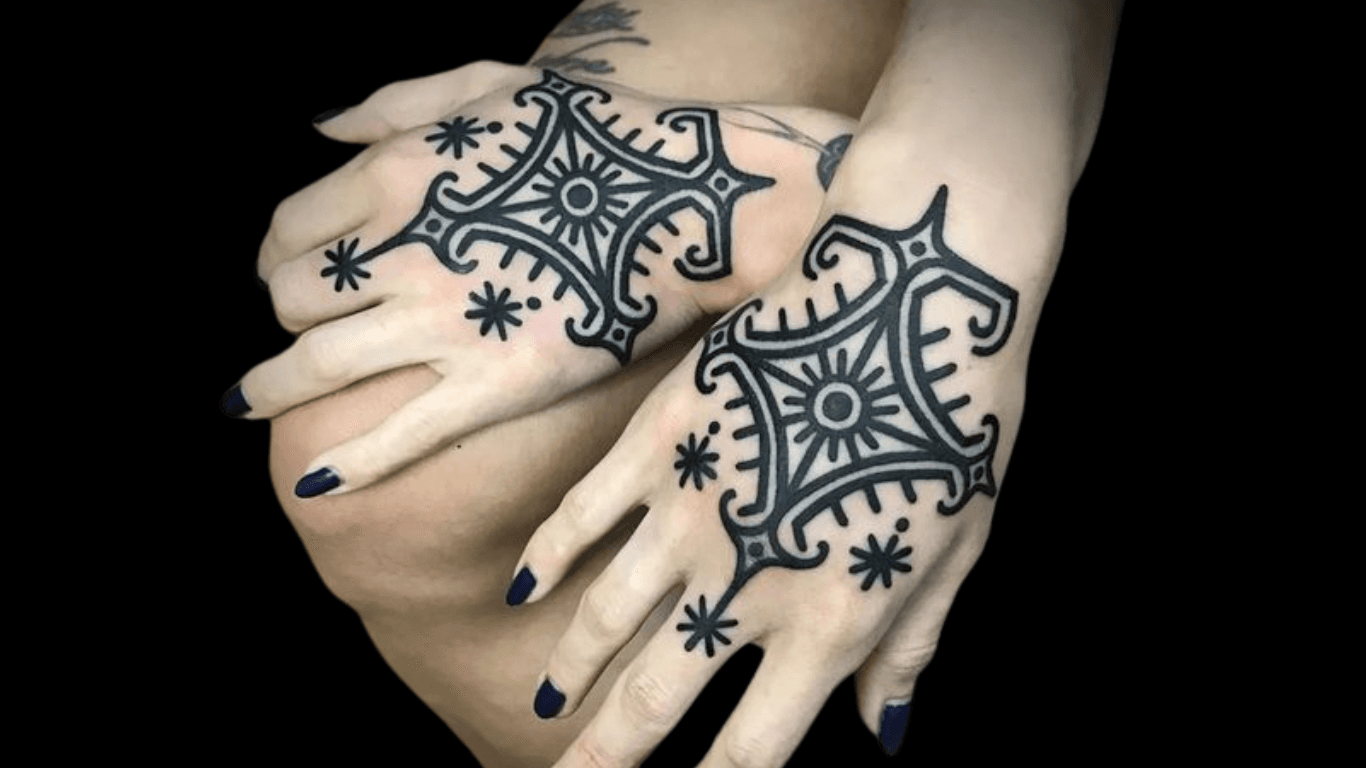
Decorative patterns inspired by jewelry, lace, and architectural ornamentation. Features symmetrical designs, mandalas, and intricate filigree work. Often placed to enhance the body like wearable jewelry.
Geometric
Precise geometric shapes, patterns, and sacred geometry translated into tattoo form. Relies on mathematical precision, clean lines, and perfect symmetry. Can range from simple shapes to complex tessellations.
Dotwork
Images and patterns created entirely from individual dots rather than lines. Used for mandalas, geometric designs, and gradient shading. A meditative, time-intensive technique that produces unique textures.
Watercolor
Mimics the fluid, vibrant look of watercolor paintings with soft edges, color splashes, and paint-drip effects. Often combined with fine line work for structure. Creates a painterly, artistic appearance.
Cybersigilism
A contemporary style blending digital aesthetics with ancient sigil-making. Features sharp, angular lines reminiscent of circuit boards and futuristic glyphs. Popular in the underground and avant-garde tattoo scene.